-
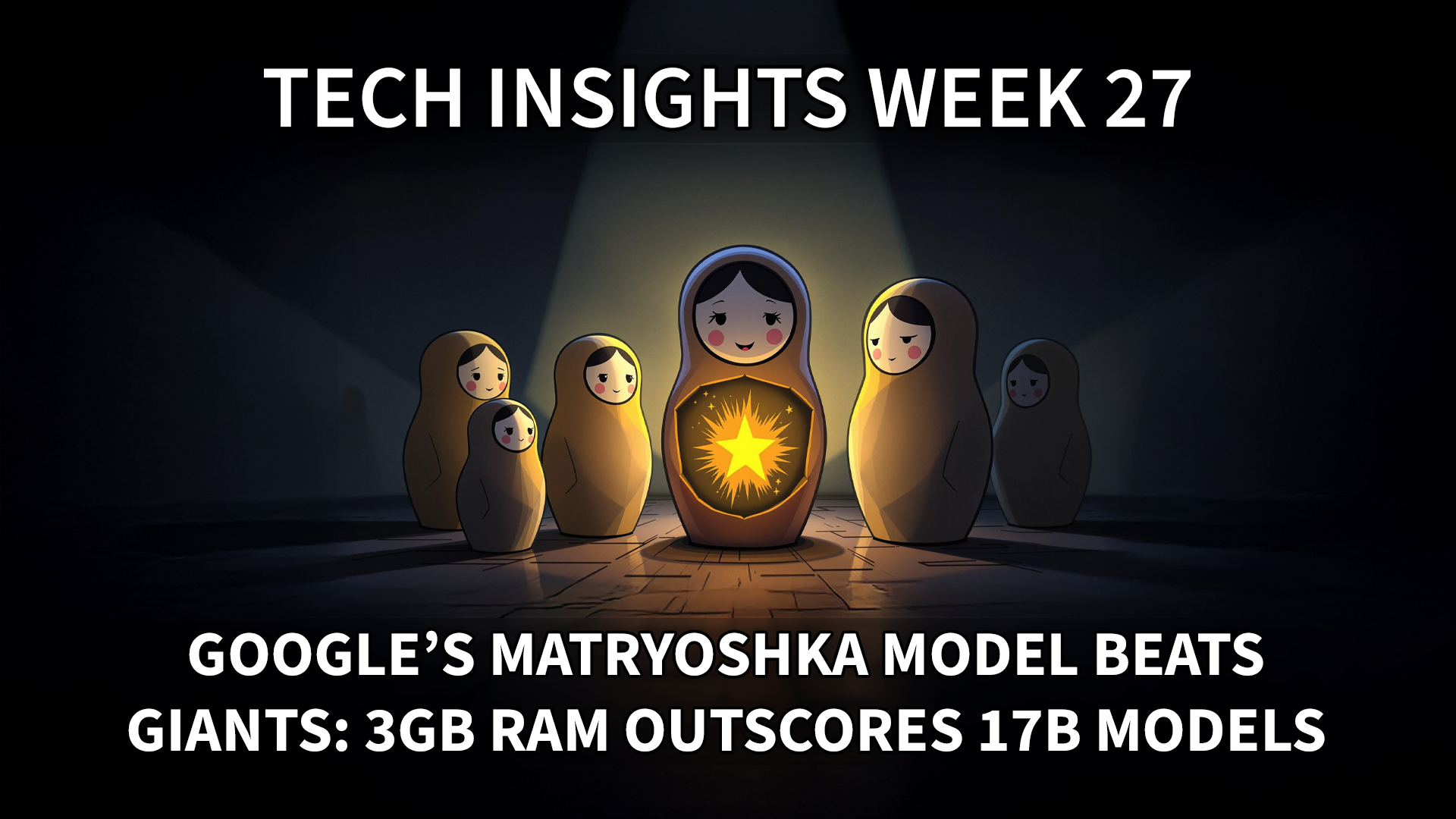
This was truly a week of edge and offline models releases! First Google released the full version of Gemma 3n, a multimodal AI model designed to run on edge devices with as little as 2GB of RAM. This means you can run it on smartphones or laptops without cloud connectivity, but the performance of it is truly outstanding! The small Gemma 3n 8B model (runs on 3GB RAM) is the first model under 10B parameters to score above 1300 points on LMArena, outperforming much bigger models like GPT 4.1-nano, Llama 4 Maverick 17B and Microsoft Phi-4. Gemma 3n is released…
-
Tech Insights 2025 Week 26
Two weeks ago I wrote about my side-project with Claude Code. The project is now done, and it was built 100% with Agentic AI. It’s an app called Notebook Navigator, and it combines the best of note-taking apps like Apple Notes, Bear, Evernote, Google Keep and Notion into one single app. It is built as a plugin that replaces the user interface for the text editor Obsidian, and user feedback has so far been amazingly good. The entire application is around 13 000 lines of code and has been translated into 7 languages: English, German, Spanish, French, Japanese, Chinese Simplified…
-
Tech Insights 2025 Week 25
Should I require all my developers to start using AI? I often get that question. The answer is not a strict yes or no, but more “it depends”. If you are using a code base built on Go, Typescript, Rust or Python then the answer is always YES, go ahead, give Claude Code with Claude Max subscriptions to all your developers and you will see a productivity boost you didn’t think was possible. If you instead use .NET or JAVA, then the answer is more “it depends”, because you will be heavily dependent on the model. If you only use…
-
Tech Insights 2025 Week 24
I listen to a lot of audio books, and always keep a book playing when out for a walk or a run. The joy of finding an amazing narrator like Bill Homewood reading The Count of Monte Cristo by Alexander Dumas is one of many reasons I keep listening. There are however many books at Audible that are completely ruined by poor narratives, and I have a list of over a dozen books where reviews warned about the poor performance but I went ahead and bought them anyway, but just couldn’t stand it. If you are an avid audio book…
-
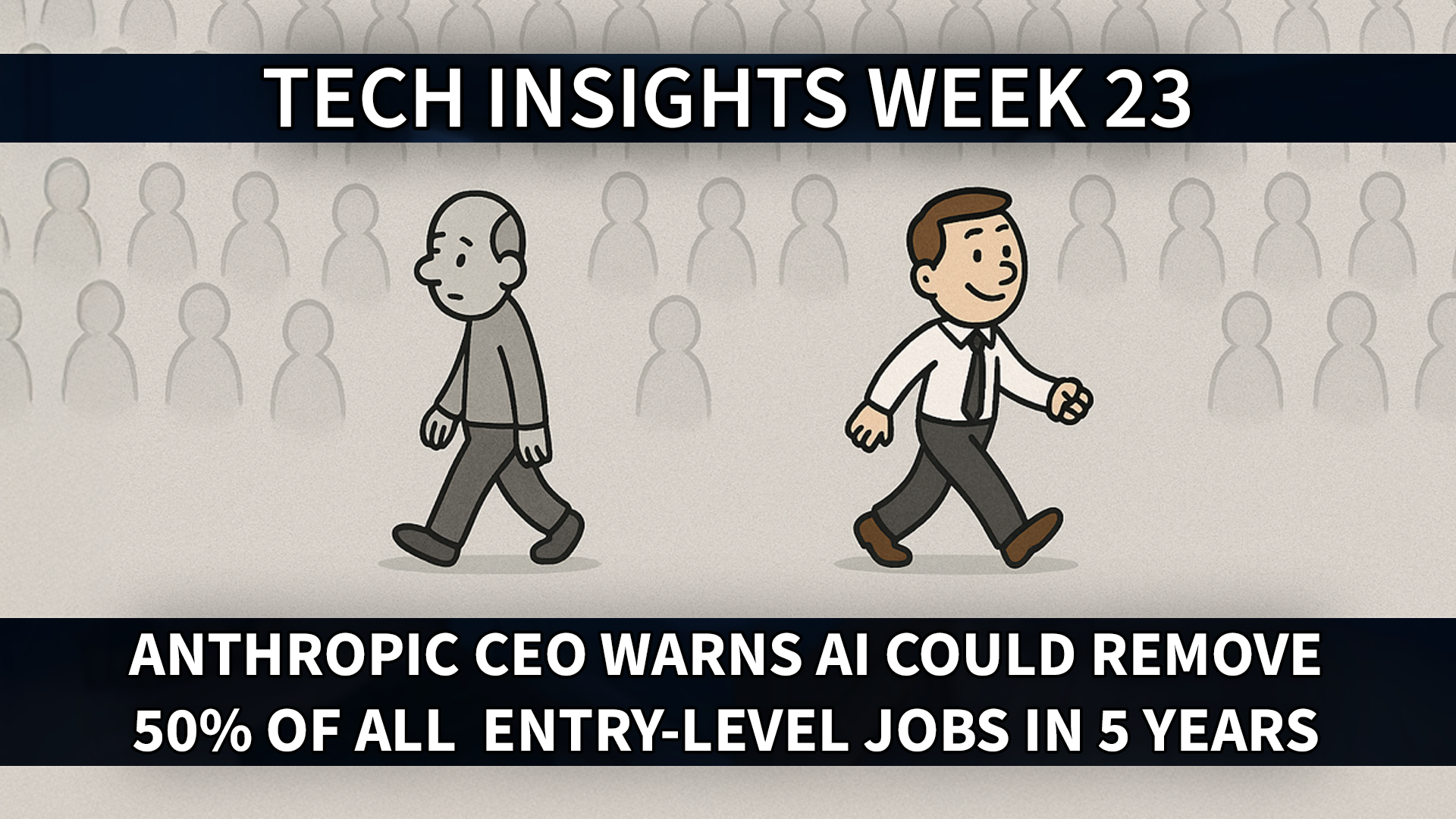
Tech Insights 2025 Week 23
The past week I have been using Claude Code a lot, Anthropic’s CLI-based code editor. I have used it on existing large code bases, and I have used it to create complex new applications. Claude Code with Claude Opus 4 is truly the next-level code generation AI we have all been waiting for. 90% of the time is now spent “discussing” implementation strategies with Claude Code, the rest 10% is testing the results. Once both me and Claude are happy with the implementation plan I trigger it off and it goes away and writes all the code, tests and documentation…
-
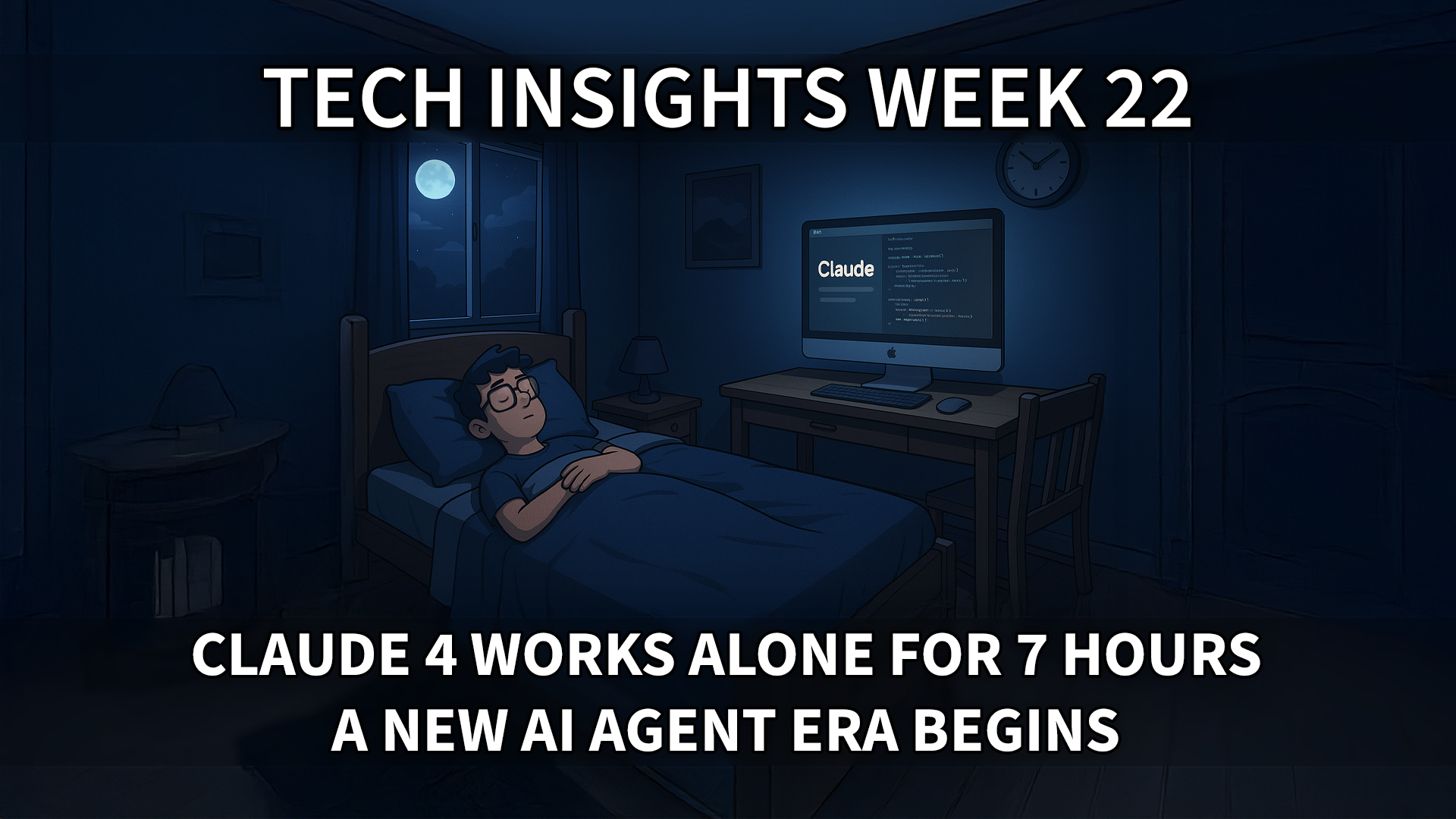
Tech Insights 2025 Week 22
Last week was one of the biggest so far just in terms of sheer volume of AI news. Google I/O was all about AI this year and Microsoft Build was very AI centric too. I have tried summarizing everything the best I can below, but all in all it was probably over 30 AI-related news where some more relevant than others. If you have limited time and want to know just the top five releases, I would rate them as: Listen to Tech Insights on Spotify: Tech Insights 2025 Week 22 on Spotify Thank you for being a Tech Insights…
-
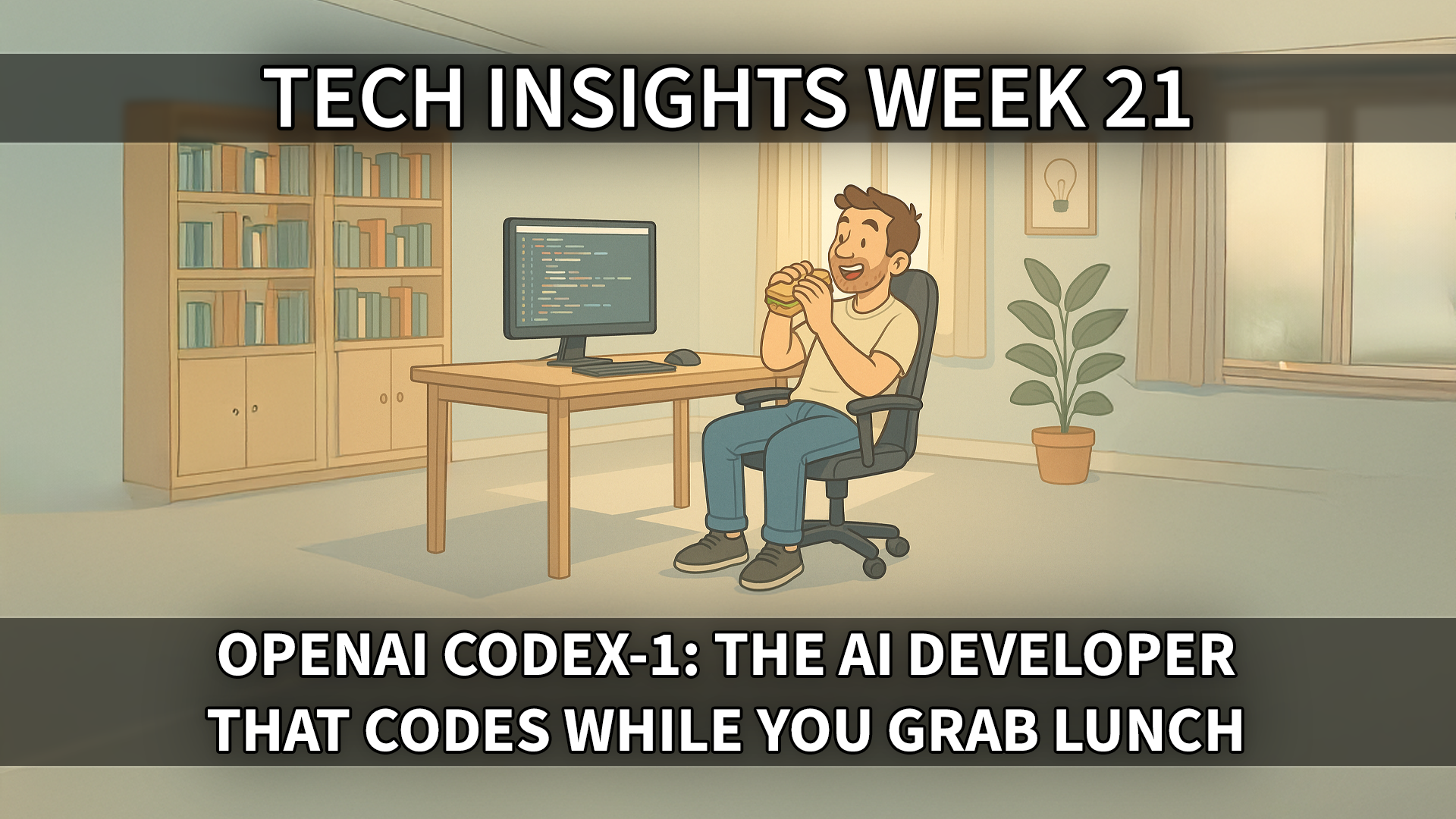
Tech Insights 2025 Week 21
If you are developing software with AI, most of your prompts probably include “act like a senior developer”. The reason is that the large foundation models we use for programming like o3 and Claude 3.7 are not specifically tuned for this task, which means you have to explicitly tell them how they should act. “Do not remove comments”, “Do not refactor unless needed”, “Do not add new frameworks if possible”, the list just goes on. Last week both OpenAI and Windsurf (that was just bought by OpenAI) released the foundation models SWE-1 and codex-1 that are both specifically built for…
-
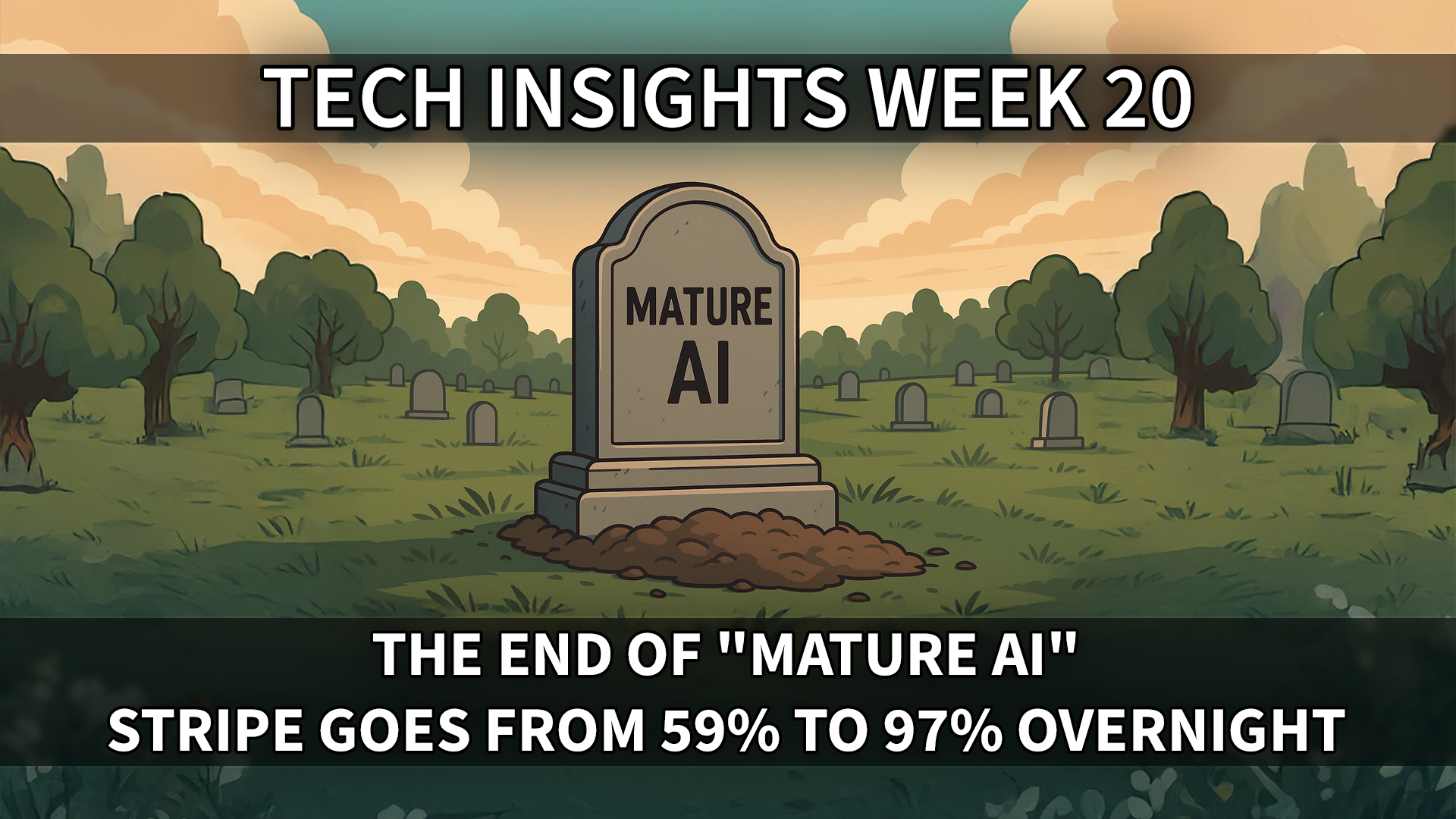
Tech Insights 2025 Week 20
In Sweden there are still AI consultancy companies strongly defending what they call “Mogen AI” (“Mature AI” in English) – traditional machine learning based on manual feature engineering. The argument is that it’s “good enough” and that you really don’t need to invest in deep transformer skills. And I agree that this is often the case, if your bar is modest improvements and narrowly scoped tasks. But this mindset misses a fundamental shift. The most valuable patterns are no longer found in isolated features. They’re found in relationships between events, across time, and at scale. That’s something “Mature AI” just…
-
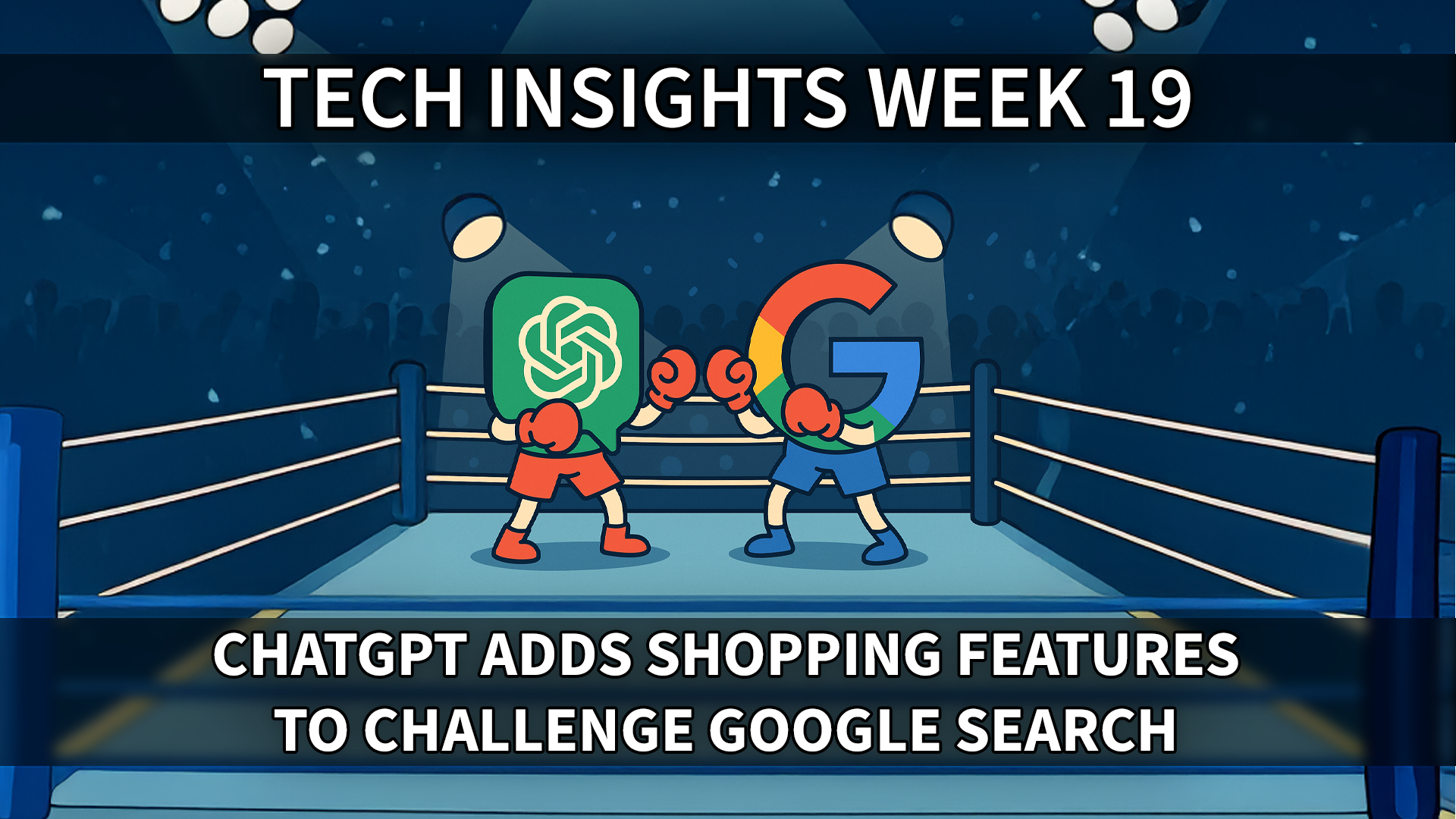
Tech Insights 2025 Week 19
Last month Shopify CEO Tobi Lütke sent out an internal memo saying that before employees ask for more headcount or resources, teams must first show why they “cannot get what they want done using AI”. And last week it was Duolingo’s turn, with their CEO Luis von Ahn sending out an internal memo saying “headcount will only be given if a team cannot automate more of their work”. If you were told on your job that you couldn’t grow your team or department before you have proven that you could not automate any more with AI, where would you start?…
-
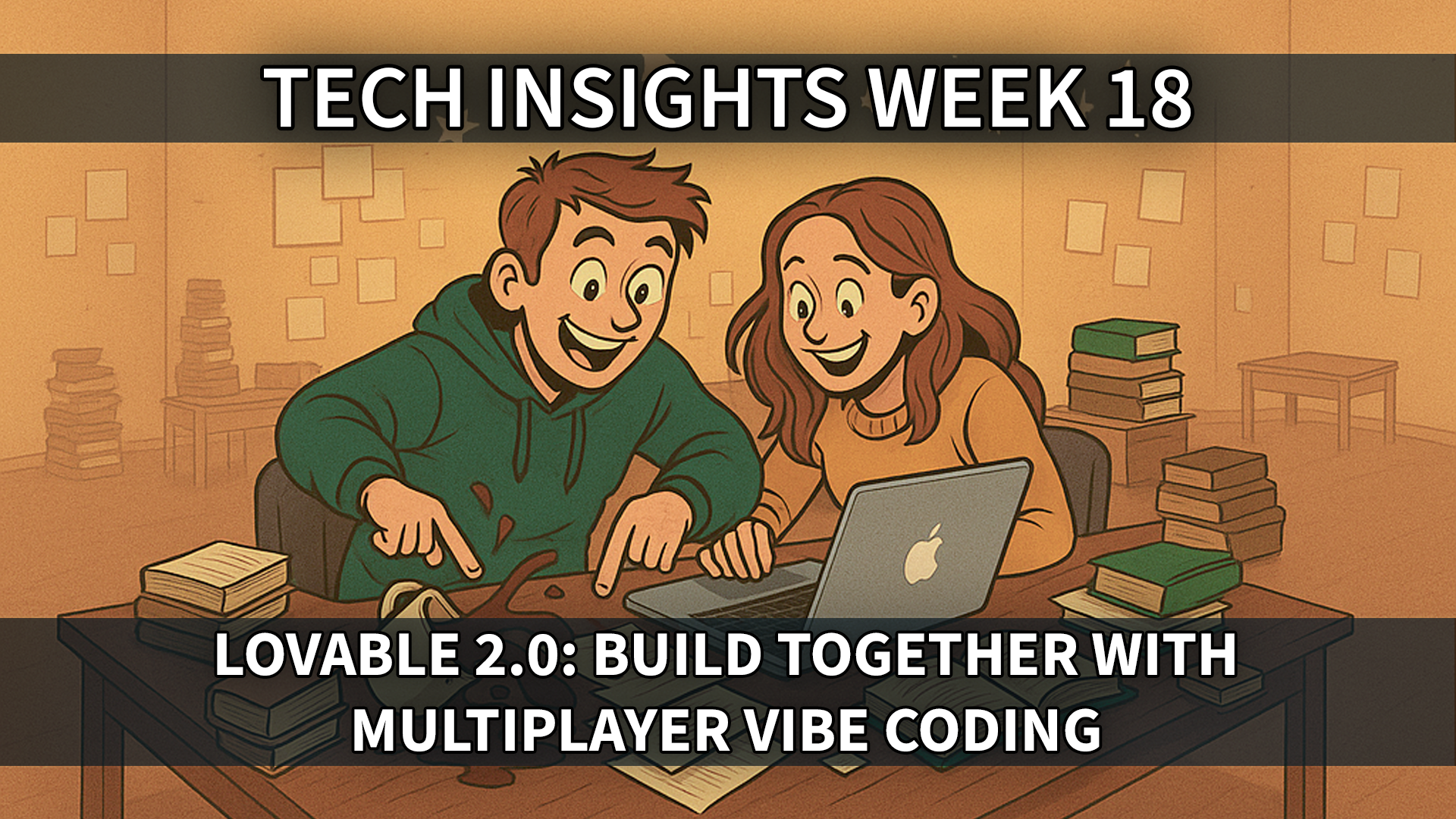
Tech Insights 2025 Week 18
Last week Swedish startup Lovable launched version 2.0 with a new feature called “multiplayer workspaces” where you can now vibe code apps together. Their motto is “idea to app in seconds, with your personal full stack engineer”. What started as a prototype called “GPT Engineer” is now a product used by over 300 000 monthly active users, and Lovable is still run by a small team of less than 20 people. Behind the scenes Lovable does not use their own LLMs, but rely on SOTA models like GPT-4o, Claude and Gemini. Lovable is a layer between the user and the model, with unique functions such…